27th Annual Vision & Excellence in Healthcare Leadership Tribute Dinner
Thursday, June 3, 2027
Beverly Wilshire Hotel, 9500 Wilshire Blvd.
Beverly Hills, CA 90212
For more than 27 years, the Vision & Excellence in Healthcare Leadership Tribute Dinner has stood as one of California’s most distinguished gatherings of healthcare leaders. What began as a celebration of service has evolved into a signature event that brings together the executives, innovators, and policymakers shaping the future of healthcare.
Recognized for its focus on leadership, integrity, and impact, the Tribute Dinner has become a defining moment each year. An evening that honors achievement, elevates purpose, and strengthens the partnerships that advance health and well-being for millions across our communities.
2027 Honorees
Vision & Excellence in Healthcare Leadership Award
Julie J. Sprengel
California President
CommonSpirit Health
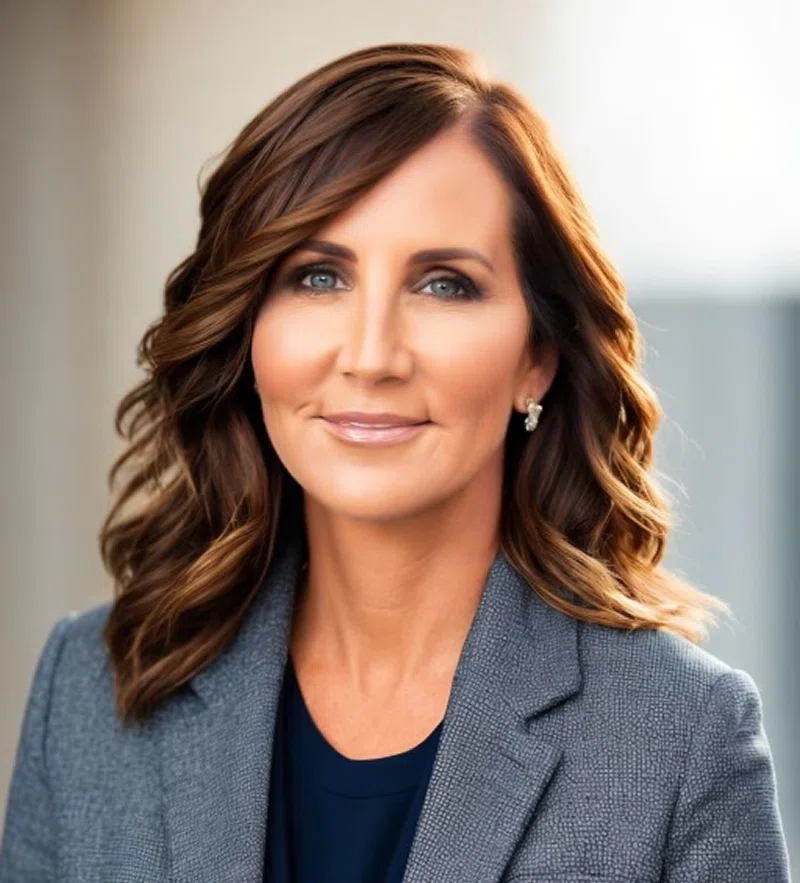
Julie J. Sprengel
California President
CommonSpirit Health
Julie J. Sprengel serves as President of Dignity Health California, a member of CommonSpirit Health, where she provides mission-driven leadership for one of the nation’s largest integrated healthcare networks. Spanning 650 miles from Mt. Shasta to San Bernardino, the region encompasses 28 acute care hospitals and over 250 ambulatory sites, including physician clinics, surgery centers, and home health agencies.
Ms. Sprengel leads a dedicated workforce of 45,000 employees and 15,000 physicians, overseeing a one-billion-dollar annual commitment to community benefit and charity care. With over two decades of healthcare expertise, her leadership philosophy is rooted in the belief that clinical excellence and patient safety are sustained by a culture that prioritizes employee and provider well-being. As the 2026 Board Chair for the California Hospital Association, Ms. Sprengel is actively shaping healthcare to be more inclusive, sustainable, and accessible.
Bio
Julie J. Sprengel serves as President of Dignity Health California, a member of CommonSpirit Health, where she provides mission-driven leadership for one of the nation’s largest integrated healthcare networks. Spanning 650 miles from Mt. Shasta to San Bernardino, the region encompasses 28 acute care hospitals and over 250 ambulatory sites, including physician clinics, surgery centers, and home health agencies.
Ms. Sprengel leads a dedicated workforce of 45,000 employees and 15,000 physicians, overseeing a one-billion-dollar annual commitment to community benefit and charity care. With over two decades of healthcare expertise, her leadership philosophy is rooted in the belief that clinical excellence and patient safety are sustained by a culture that prioritizes employee and provider well-being. As the 2026 Board Chair for the California Hospital Association, Ms. Sprengel is actively shaping healthcare to be more inclusive, sustainable, and accessible.
Interview
Champion for Health Award
Kerry L. Heinrich
President and CEO
Adventist Health
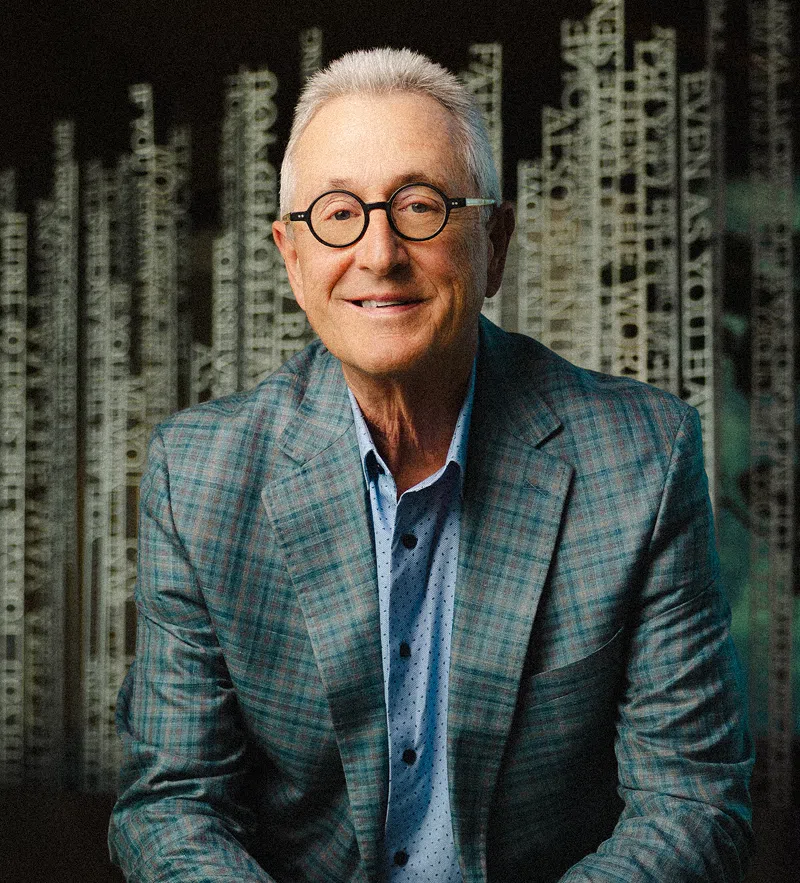
Kerry L. Heinrich
President and CEO
Adventist Health
Kerry L. Heinrich became President and CEO of Adventist Health in 2022, bringing more than two decades of service to the organization’s mission and culture. He leads an integrated, faith-based health system serving the West Coast and Hawaii.
His tenure has been defined by disciplined recovery and reinvestment. Since early 2022, Adventist Health has delivered a $1 billion financial turnaround and its strongest operational performance since the pre-pandemic period, ending 2025 with positive EBIDA.
He has kept the system’s largest-ever investment, the transition to Epic, on time and on budget, while maturing a network model organized around geography, expertise, and shared accountability for faster, more connected care.
Above all, he leads from the mission: expanding access, protecting care close to home, and proving that a clearly held purpose can drive sound financial decisions across a $7.5 billion system.
Bio
Kerry L. Heinrich became President and CEO of Adventist Health in 2022, bringing more than two decades of service to the organization’s mission and culture. He leads an integrated, faith-based health system serving the West Coast and Hawaii.
His tenure has been defined by disciplined recovery and reinvestment. Since early 2022, Adventist Health has delivered a $1 billion financial turnaround and its strongest operational performance since the pre-pandemic period, ending 2025 with positive EBIDA.
He has kept the system’s largest-ever investment, the transition to Epic, on time and on budget, while maturing a network model organized around geography, expertise, and shared accountability for faster, more connected care.
Above all, he leads from the mission: expanding access, protecting care close to home, and proving that a clearly held purpose can drive sound financial decisions across a $7.5 billion system.
Interview

Save the Date
June 3, 2027
Beverly Wilshire Hotel, 9500 Wilshire Blvd.
Beverly Hills, CA 90212
Sponsorship Opportunities
2027 sponsorship opportunities offer prominent visibility among influential healthcare leaders while aligning your organization with Partners’ mission to improve health and strengthen communities across California. Your support advances this important work and helps bring this distinguished celebration of healthcare leadership to life.
Sponsorship opportunities will be available in January 2027. For questions or additional information, please contact Victoria Loy at vloy@picf.org.vloy@picf.org.
Premier


Diamond


Ruby




Platinum





Gold











Silver






Bronze


























Past Event Highlights
Explore memorable moments from previous Vision & Excellence in Healthcare Leadership Tribute Dinners celebrating distinguished leaders whose contributions continue to shape the future of healthcare.
View event recordings through our YouTube Channel.
Explore Our Events
Digital Journals

Partners’ 25th Annual Vision & Excellence in Healthcare Leadership Tribute Dinner
June 12, 2025

Partners 26th Annual Vision & Excellence in Healthcare Leadership Tribute Dinner
May 28, 2026
Tribute Dinner Videos
Honoree Videos
2026 Vision & Excellence in Healthcare Leadership Award
Chris Van Gorder, FACHE
President and CEO
Scripps Health
2026 Lifetime Achievement Award
Leonard D. Schaeffer
Founding Chairman and CEO
Wellpoint (now Elevance Health)
2025 Vision & Excellence in Healthcare Leadership Award
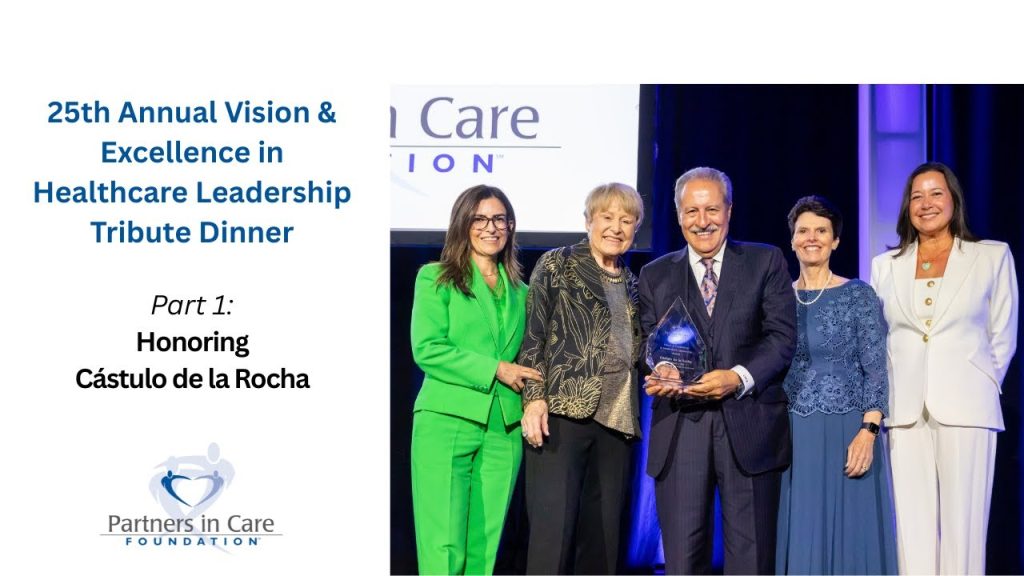
Cástulo de la Rocha
President and CEO
AltaMed Health Services Corporation
2025 Lifetime Achievement Award
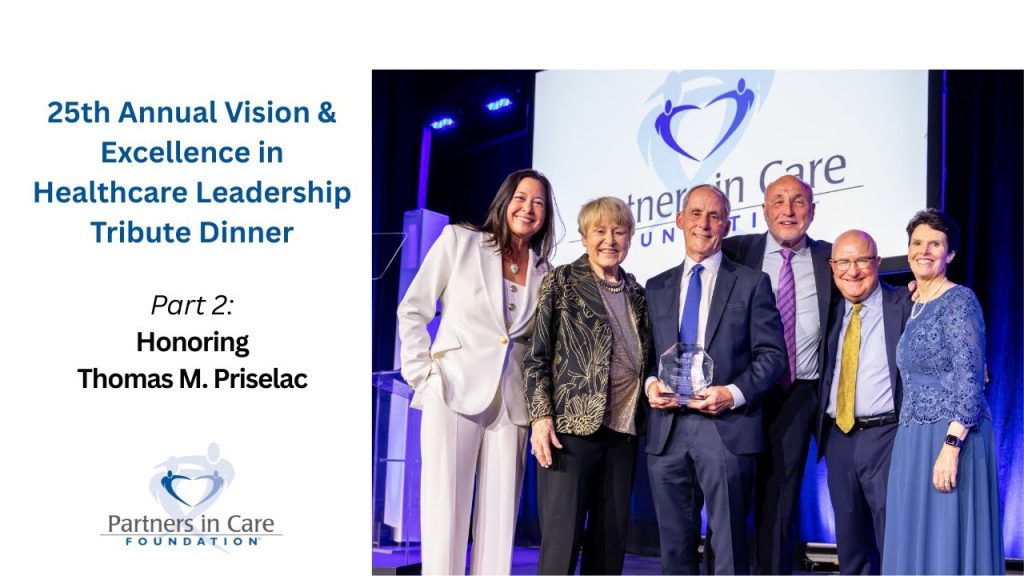
Thomas M. Priselac
President and CEO Emeritus
Cedars-Sinai Medical Center and
Cedars-Sinai Health System
Honoring Our Past Honorees
View the distinguished leaders and changemakers recognized at the Vision & Excellence in Healthcare Leadership Tribute Dinner over the years.
Vision & Excellence in Healthcare Leadership
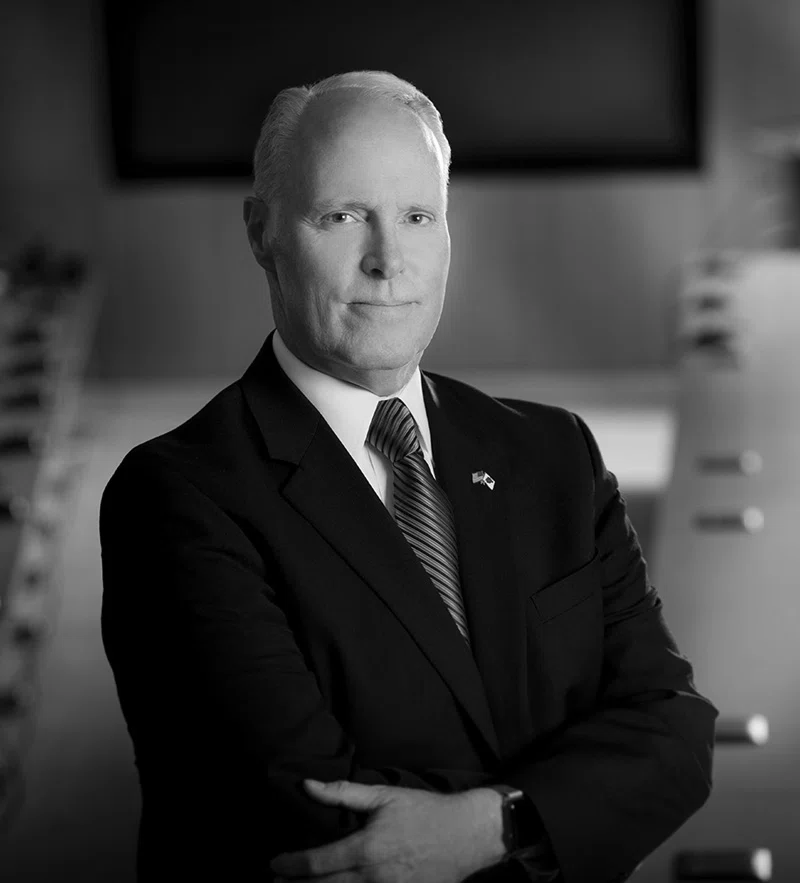
2026
Chris Van Gorder, FACHE
President and CEO
Scripps Health
Chris Van Gorder, FACHE
President and CEO
Scripps Health
As President and CEO of Scripps Health for the past 25 years, Chris Van Gorder has now successfully led the organization through a quarter of its 100-year history.
Board certified in health care management and an American College of Healthcare Executives (ACHE) Fellow, Van Gorder leads all functions of the San Diego based integrated health system, including its five acute-care hospital campuses, and more than 30 outpatient and specialty centers, including the Prebys Cardiovascular Institute and the Scripps Cancer Center.
Van Gorder’s path to health care leadership was unconventional. A former police officer injured in the line of duty, his journey began as a hospital patient. Following a complex and lengthy recovery, he secured a job at the hospital where he had received his care, continued his health care management education and rose to new levels of responsibility.
More than 18,000 employees and 3,500 affiliated physicians provide care at Scripps, which has made Fortune magazine’s “100 Best Companies to Work For” list for 18 years and was recently recognized again by U.S. News & World Report as one of the top five medium sized health systems in the nation.
Among his accomplishments, Van Gorder led a financial and cultural turnaround, significantly expanded the Scripps’ integrated health system, established a dyad leadership model where administrators and physicians co-lead health care operations, and created an innovative Model Care program, empowering staff and physicians to continuously redesign patient care.
Van Gorder is also known for his community contributions. He recently retired as Reserve Assistant Sheriff for San Diego County, and last year spearheaded the formation of San Diego’s Hospital Workplace Violence Taskforce, bringing together local law enforcement, the District Attorney’s office and other San Diego health system leaders to reduce incidents of violence against health care workers. In past years he also led medical relief missions following Hurricane Katrina and the 2010 Haiti earthquake.
Van Gorder received his master’s degree in public/health services administration at the University of Southern California, completed the Wharton System CEO Program at the University of Pennsylvania and earned his bachelor’s degree from California State University, Los Angeles. His first book – The Front-Line Leader: Building a High Performance Organization from the Ground Up – was published in November 2014.
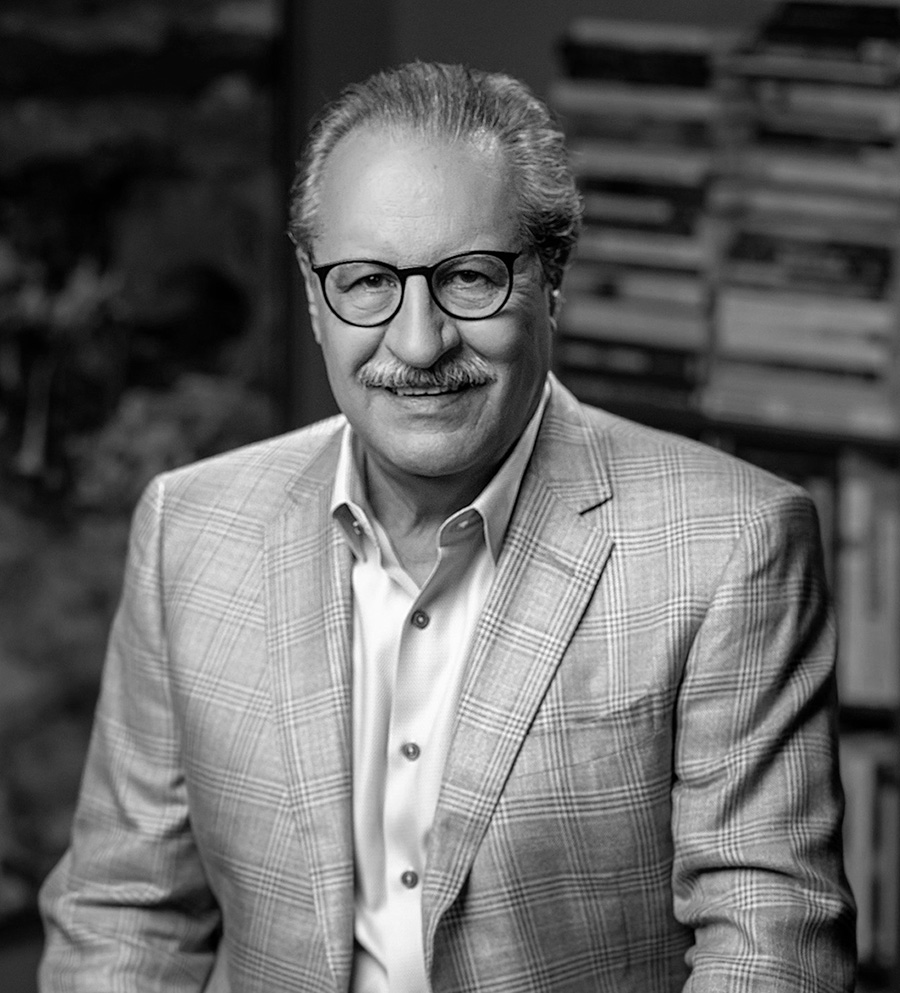
2025
Cástulo de la Rocha
President and CEO
AltaMed
Cástulo de la Rocha
President and CEO
AltaMed
As President and CEO of AltaMed Health Services Corporation, Cástulo de la Rocha is a beloved trailblazer in community health. Under his visionary leadership, AltaMed has transformed from a storefront barrio clinic in East Los Angeles into the largest Federally Qualified Health Center in California, and among the top five in the nation.
Mr. de la Rocha has always understood that a community’s health is indivisible from its prosperity. In 1977, he saw a need: people in low-income neighborhoods throughout the Southland were significantly under-recognized by essential health resources. In fact, the Barrio Free Clinic in his neighborhood often had a line of people that wound around the block. AltaMed was born from Mr. de la Rocha’s need to meet this fundamental requirement. He changed the face of one community, then another, until AltaMed became one of the area’s largest health care systems. AltaMed has grown to approximately 60 medical, dental and PACE sites staffed by more than 5,000 employees, providing compassionate care to nearly 500,000 patients a year.
Over the years, Mr. de la Rocha succeeded in building an essential resource for millions of residents throughout Southern California, and in the process, created a model of excellence for health centers and communities everywhere. This innovative “whole community” approach to health care has earned him numerous awards from medical institutions and programs, as well as the honor of receiving a Medallion of Excellence from the Congressional Hispanic Caucus Institute alongside Lin-Manuel Miranda in 2017.
In 2023, Mr. de la Rocha received a number of awards including the Los Angeles Business Chamber of Commerce’s 2023 Distinguished Business Leader Award. This coincided with him being highlighted as a 2023 Univisionario and being named a Coalition for Humane Immigrant Rights 2023 Immigrant Champion. He was also inducted into the Roosevelt High School Alumni Hall of Fame. Most notably, in 2023, the University of La Verne honored Mr. de la Rocha by naming their new health sciences department the “Castulo de la Rocha College of Health and Well-Being,” in honor of Mr. de la Rocha’s legacy as a trailblazer in community health and commitment to the development of our future health care workforce.
AltaMed’s standard of care and consistently strong financial performance has made it an exemplar of what a community-focused health center can be. AltaMed is accredited by the Joint Commission as a Patient Centered Medical Home, and the facility was recognized as #1 among the Hispanic Business Journal’s “Top 25 Nonprofits” for seven consecutive years. Mr. de la Rocha frequently lends his expertise in aligning best practices in health care, public policy, and social advocacy. Currently, he serves on the boards of National Medical Fellowships and America’s Physician Groups (formerly the California Association of Physician Groups).
An avid believer in the healing power of art, Mr. de la Rocha has spent 30 years assembling the AltaMed Art Collection. It champions the works of emerging and established artists who reflect the history, achievements, and struggles of communities, and it lives on rotating display across AltaMed’s entire clinic network. Mr. de la Rocha has been recognized by the Los Angeles Area Chamber of Commerce, and is a member of the boards of the Museum of Latin American Art Board and the Latino Victory Fund.
Exclusive Interview with Cástulo de la Rocha: A Journey of Leadership, Challenges & Triumphs

2024
Gustavo Valdespino
President and Chief Executive Officer
Valley Presbyterian Hospital
Gustavo Valdespino
President and Chief Executive Officer
Valley Presbyterian Hospital
Gustavo Valdespino was appointed President & Chief Executive Officer of Valley Presbyterian Hospital in September 2009. Mr. Valdespino is a seasoned leader with over 40 years of hospital management experience. Prior to joining Valley Presbyterian Hospital, he served as Senior Vice President of Operations for Tenet Health Corporation’s Southern California region. He also served as President and Chief Executive Officer of St. Vincent Medical Center and as CEO of Big Brothers/Big Sisters of Orange County.
Mr. Valdespino has received the “Up and Comer” award from Modern Health Magazine, the National Medical Enterprises “Circle of Excellence” award, the Tenet Healthcare Corporation “Circle of Excellence” award, the “Leading Hispanic Executive” award from Hispanic Business Magazine, The 2021 Trailblazer award from One Generation, the 2017 Hospital CEO of the Year from the Los Angeles Business Journal and the 2022 Leukemia and Lymphoma Gold Coast Man of the Year Award.
Mr. Valdespino holds a bachelor’s degree in economics from the University of New York at Stony Brook, a master’s degree in public health from the University of California, Los Angeles, and completed the advanced management program at the Harvard Business School in Boston.
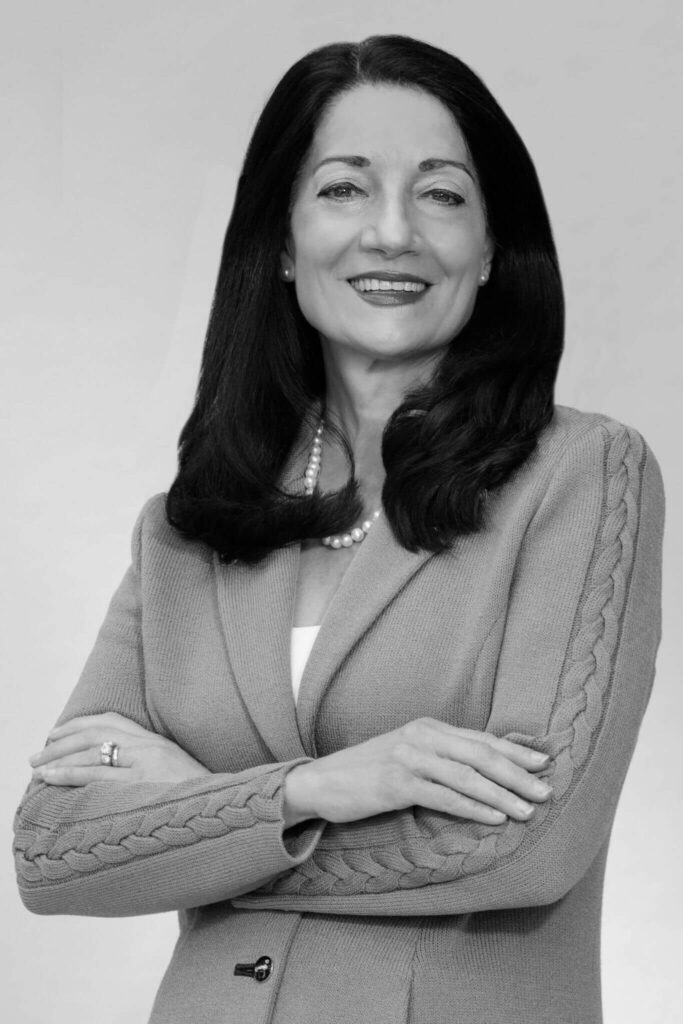
2023
Johnese Spisso, RN, MPA
President, UCLA Health CEO, UCLA Hospital System
Associate Vice Chancellor, UCLA Health Sciences
Johnese Spisso, RN, MPA
President, UCLA Health CEO, UCLA Hospital System
Associate Vice Chancellor, UCLA Health Sciences
Johnese Spisso assumed the position of President of UCLA Health, CEO of UCLA Hospital System and Associate Vice Chancellor of UCLA Health Sciences in 2016. She is a nationally recognized academic healthcare leader with more than 40 years of experience. As CEO, she leads UCLA’s hospital system consisting of the UCLA Ronald Reagan Medical Center, UCLA Mattel Children’s Hospital, Resnick Neuropsychiatric Hospital at UCLA, UCLA Santa Monica Medical Center, the expansive network of over 200 UCLA Health primary and specialty care clinics throughout Southern California, the UCLA Health Homeless Health care program and the Faculty Practice Group. She is responsible for all aspects of the health system and the regional outreach strategy in the local, state, national and international programs.
Before coming to UCLA, Spisso spent 22 years at UW Medicine in Seattle, Washington, where she was promoted from Chief Nursing Officer to Chief Operating Officer to Chief Health System Officer and Vice President of Medical Affairs for the University of Washington. She served in the latter role from 2007-2016 and was responsible for the two academic medical centers, two community hospitals, the network of community clinics, and the Airlift Northwest flight program. While there, Spisso played a major role in expanding collaborations with regional hospitals and in the operational integration of two major community hospitals into UW Medicine. She also was instrumental in leading the development of a statewide trauma system.
Prior to UW, as a registered nurse, Spisso rose through the ranks over 12 years at the University of California, Davis Medical Center and directed the critical care, trauma and burn center, emergency services and the Life Flight Air-Medical Program. Before that, she began her career as a critical-care nurse in the medical, surgical and transplant intensive care unit at the University of Pittsburgh Medical Center Presbyterian.
Spisso received a master’s degree in health care administration and public administration from the University of San Francisco, and a bachelor’s degree in health sciences from Chapman College. She earned her RN at the St. Francis School of Nursing. She has published numerous articles and book chapters on healthcare leadership, and she serves on several national boards, including the American Association of Medical Colleges’ Council of Teaching Hospitals and Health Systems and the Board of Vizient.
Spisso is active in community leadership and has served as the Los Angeles Community Chair for the Leukemia and Lymphoma Society Light the Night Walk as well as the Los Angeles Community Chair for the American Heart Association’s Go Red for Women Luncheon. She has received numerous awards and recognition throughout her career, recently being named to Modern Healthcare’s Top 25 Most Influential Women Leaders in 2019, LA Business Journal’s 500 Most Influential Leaders in Los Angeles in 2020, Modern Healthcare’s Top 50 Clinical Leaders of 2020 in the U.S., and the Los Angeles Business Journal Women of Influence Award for Health Care in 2021 and 2022.
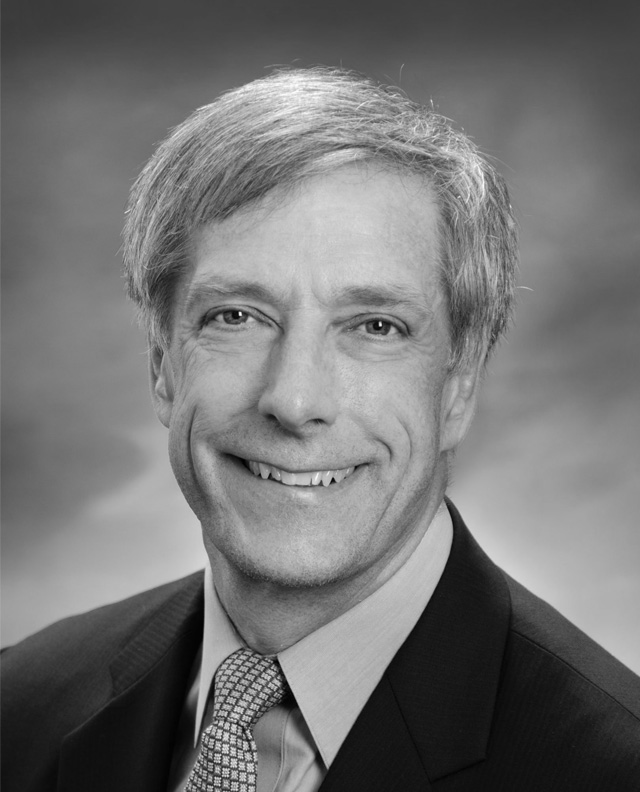
2022
Arthur M. Southam, MD
Executive Vice President Health Plan Operations and Chief Growth Officer
Kaiser Permanente
Arthur M. Southam, MD
Executive Vice President Health Plan Operations and Chief Growth Officer
Kaiser Permanente
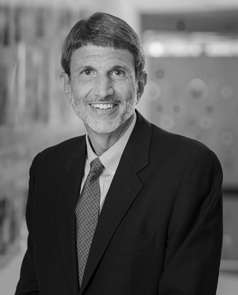
2021
Paul Viviano
President and CEO
Children’s Hospital Los Angeles
Paul Viviano
President and CEO
Children’s Hospital Los Angeles
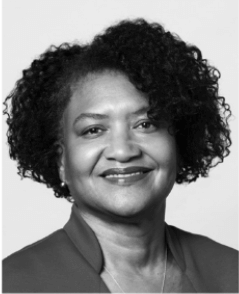
2019
Elaine Batchlor, MD, MPH
CEO
Martin Luther King, Jr. Community Hospital
Elaine Batchlor, MD, MPH
CEO
Martin Luther King, Jr. Community Hospital
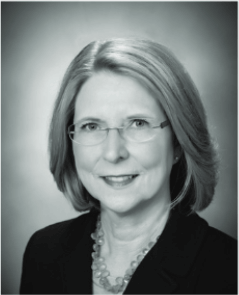
2018
Diana S. Dooley
Secretary
California Health and Human Services Agency
Diana S. Dooley
Secretary
California Health and Human Services Agency
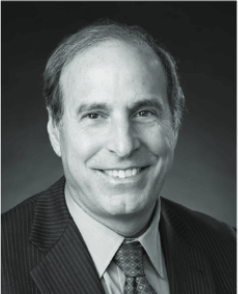
2017
Rod Hochman, MD
President and CEO
Providence St. Joseph Health
Rod Hochman, MD
President and CEO
Providence St. Joseph Health
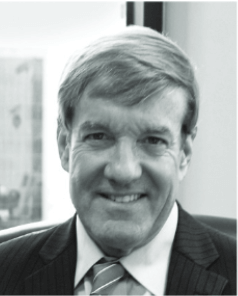
2016
Don Crane
President and CEO
CAPG
Don Crane
President and CEO
CAPG

2015
Robert Margolis, MD
Co-Chairman of the Board, DaVita HealthCare Partners
CEO Emeritus of HealthCare Partners, LLC
Robert Margolis, MD
Co-Chairman of the Board, DaVita HealthCare Partners
CEO Emeritus of HealthCare Partners, LLC
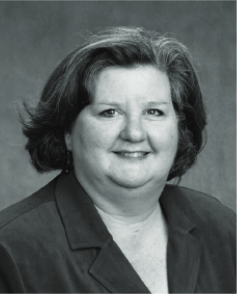
2014
In Memoriam
Leeba Lessin
Senior Vice President of WellPoint and President of its affiliated Medicare businesses
Leeba Lessin
Senior Vice President of WellPoint and President of its affiliated Medicare businesses
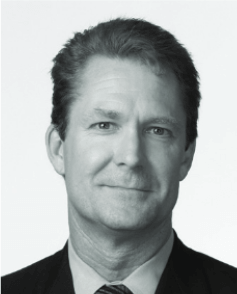
2013
Barry Arbuckle, Ph.D.
President and CEO
MemorialCare Health System
Barry Arbuckle, Ph.D.
President and CEO
MemorialCare Health System
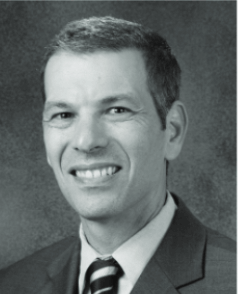
2012
David T. Feinberg, MD, MBA
President
UCLA Health System
David T. Feinberg, MD, MBA
President
UCLA Health System
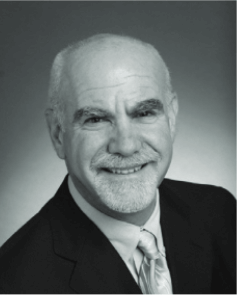
2011
Howard A. Kahn
CEO
L.A. Care Health Plan
Howard A. Kahn
CEO
L.A. Care Health Plan

2010
Lloyd A. Bookman, Esq.
Co-founder
Hooper, Lundy and Bookman, P.C.
Lloyd A. Bookman, Esq.
Co-founder
Hooper, Lundy and Bookman, P.C.

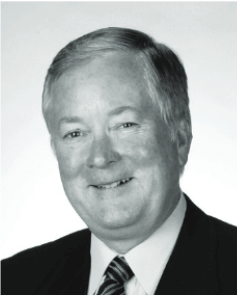
2010
Robert W. Lundy, Esq.
Co-founder and Managing Partner
Hooper, Lundy and Bookman, P.C.
Robert W. Lundy, Esq.
Co-founder and Managing Partner
Hooper, Lundy and Bookman, P.C.
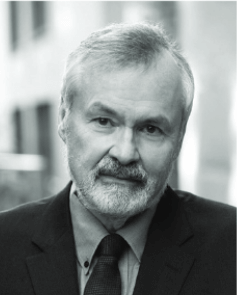
2009
Richard A. Norling
Senior Fellow
Institute for Healthcare Improvement
Richard A. Norling
Senior Fellow
Institute for Healthcare Improvement
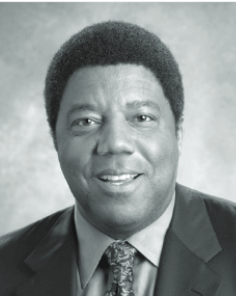
2008
George C. Halvorson
Chairman and CEO
Kaiser Permanente
George C. Halvorson
Chairman and CEO
Kaiser Permanente
2007
Lloyd H. Dean
President/CEO
CommonSpirit Health (formerly known as Dignity Health and Catholic Healthcare West)
Lloyd H. Dean
President/CEO
CommonSpirit Health (formerly known as Dignity Health and Catholic Healthcare West)
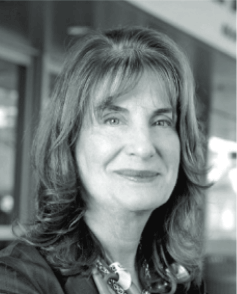
2006
Francine Kaufman, MD
Distinguished Professor Emerita of Pediatrics
Keck School of Medicine and the Annenberg School of Communications at USC
Francine Kaufman, MD
Distinguished Professor Emerita of Pediatrics
Keck School of Medicine and the Annenberg School of Communications at USC
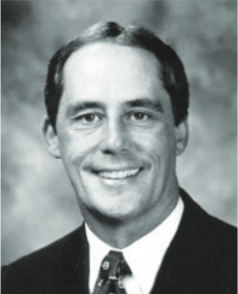
2005
Thomas M. Priselac
President and CEO
Cedars-Sinai Health System
Thomas M. Priselac
President and CEO
Cedars-Sinai Health System
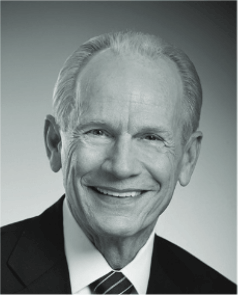
2004
In Memoriam
C. Duane Dauner
President and CEO
California Hospital Association
C. Duane Dauner
President and CEO
California Hospital Association
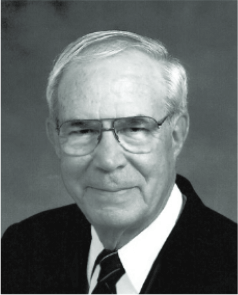
2003
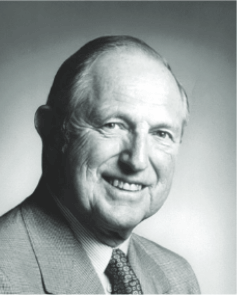
In Memoriam
Robert E. Tranquada, MD
Honored for his leadership that initiated and shaped many health care organizations
Robert E. Tranquada, MD
Honored for his leadership that initiated and shaped many health care organizations
2002
In Memoriam
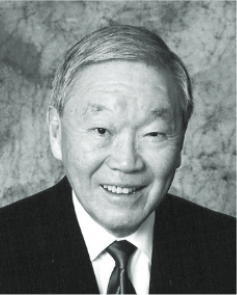
James E. Ludlam, J.D.
A founder of healthcare law who helped shape California’s healthcare environment
James E. Ludlam, J.D.
A founder of healthcare law who helped shape California’s healthcare environment
2001
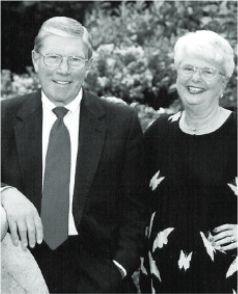
Yoshi Honkawa
Vice President, Government and Industry Relations
Cedars-Sinai Medical Center
Yoshi Honkawa
Vice President, Government and Industry Relations
Cedars-Sinai Medical Center
2000
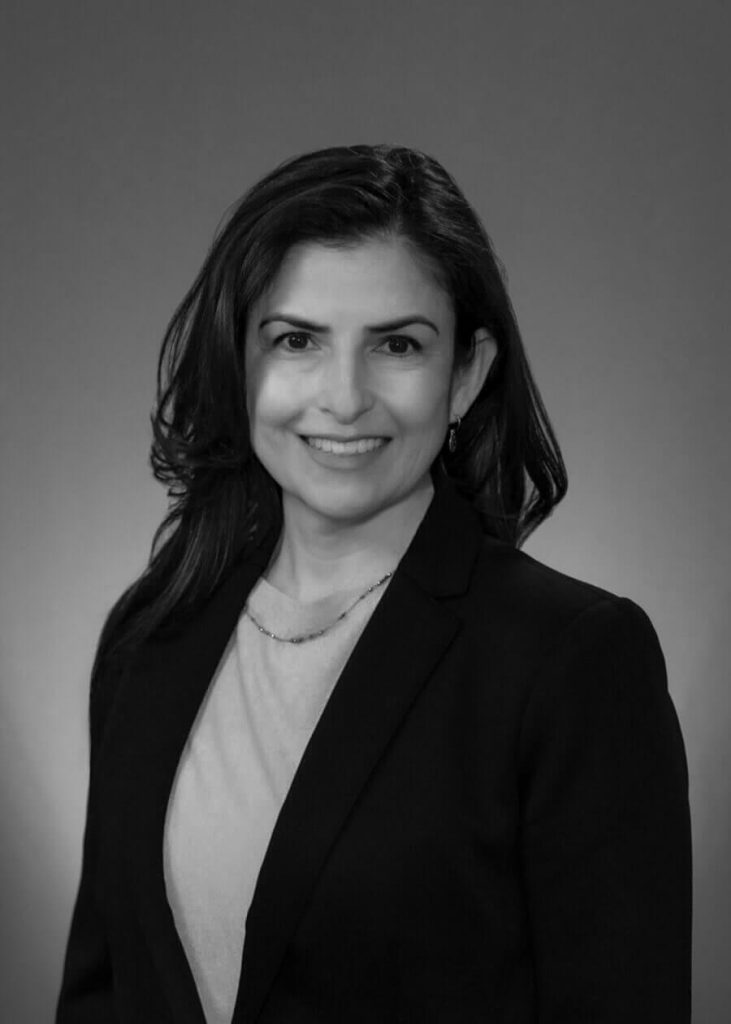
Dr. Allen & Weta Mathies
The Mathies Award was named in honor of this couple’s distinguished careers and Dr. Mathies’ remarkable leadership of the Visiting Nurse Association of Los Angeles (VNA-LA) and the founding Board of Partners in Care Foundation.
Dr. Allen & Weta Mathies
The Mathies Award was named in honor of this couple’s distinguished careers and Dr. Mathies’ remarkable leadership of the Visiting Nurse Association of Los Angeles (VNA-LA) and the founding Board of Partners in Care Foundation.
Champion for Health
2024
Martha Santana-Chin
Medi-Cal and Medicare President
Health Net
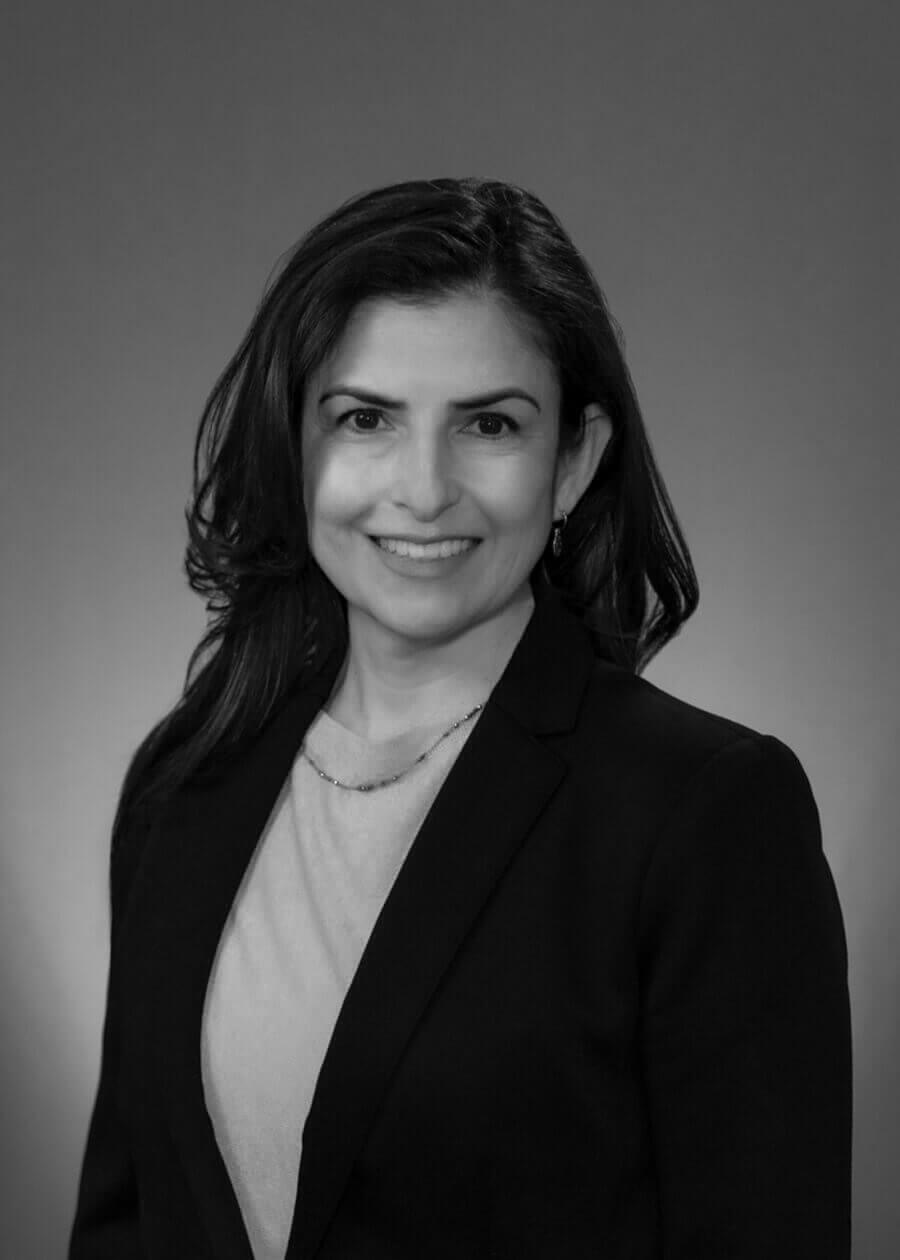
Martha Santana-Chin
Medi-Cal and Medicare President
Health Net
Martha Santana-Chin currently serves as Government Programs Officer for Health Net in the California Market. She is a managed care leader with nearly three decades of experience in managed care, operations, delivery system strategy, provider relations, network management, value-based care programs and overall business unit accountability. She has designed and led transformational programs to improve access to care for California’s high need residents, improve access to healthcare, and manage costs. Her extensive healthcare leadership experience includes working with independent physician practices, hospitals, federally qualified health centers and health plans, serving Medi-Cal and low-income communities.
In her current role, Ms. Santana-Chin leads the company’s operations as well as the Medicare and Medi-Cal business lines, which serve over 2 million members. She is accountable for long-term strategic planning, plan operations and the successful execution of annual plans to deliver high-quality affordable care. To help ensure that Health Net meets the unique needs of local communities, she collaborates with leaders in the healthcare delivery system and community stakeholders. She also supports and oversees implementation of the company’s product growth and service area expansions. Prior to Health Net she served in leadership positions with AltaMed Health Services and Tenet Health Systems for over two decades.
As a Latina leader, the eldest of nine and daughter of immigrants, she prides herself with understanding first-hand the struggles that low-income communities face. Ms. Santana-Chin’s personal journey has fueled a passion for mentoring others to persevere and thrive in their life and careers.
Community-minded, Ms. Santana-Chin serves on the Board of Directors of the United Way of Greater Los Angeles and is a member of the Board of Directors and Executive Committee of the Integrated Healthcare Association. Ms. Santana-Chin holds a Bachelor of Science in Business Finance from California State University, Long Beach and a Master’s degree in Business Administration from the University of California, Irvine. She is the mother of three college and high-school aged boys and resides in Pasadena CA with her husband.
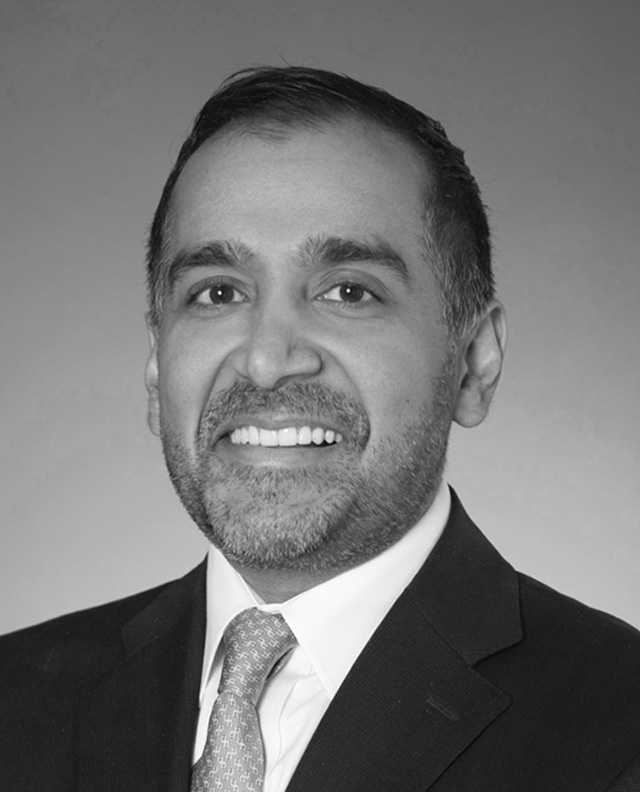
2022
Sachin H. Jain, MD
President and CEO
SCAN Group and Health Plan
Sachin H. Jain, MD
President and CEO
SCAN Group and Health Plan
Sachin (pronounced SUCH-in) H. Jain, MD, MBA is President and CEO of SCAN Group and Health Plan, where he is charged with leading the organization’s growth, diversification, and emerging efforts to reduce healthcare disparities. SCAN’s revenues top $3.4B and the organization serves 220,000 patients. Under Dr. Jain’s leadership SCAN has maintained its 4.5 STAR rating for the 5th year in a row; offered new products (ISNP) and expanded operations into Arizona and Nevada; launched new subsidiaries focused on home-based primary care, homeless healthcare, and PACE.
Sachin was previously Chief Medical Information & Innovation Officer at Merck & Co. He also served as an attending physician at the Boston VA-Boston Medical Center and a member of faculties at Harvard Medical School and Harvard Business School. From 2009-2011, Sachin worked in the Obama Administration, where he was senior advisor to Donald Berwick when he led the Centers for Medicare & Medicaid Services (CMS). Sachin was the first deputy director for policy and programs at the Center for Medicare and Medicaid Innovation (CMMI).
He has published over 100 peer-reviewed articles in journals such as the New England Journal of Medicine, JAMA and Health Affairs, and was an editor of the book, “The Soul of a Doctor” (Algonquin Press). Sachin is adjunct professor of medicine at the Stanford University School of Medicine and a contributor at Forbes. In addition, he serves on the Board of Directors at Make-A-Wish America.
Sachin graduated magna cum laude from Harvard College with a BA in government and continued on to earn his MD from Harvard Medical School and MBA from Harvard Business School. He trained in medicine at Brigham and Women’s Hospital.
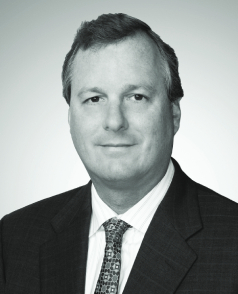
2014
James R. West
President and Chief Executive Officer
PIH Health
James R. West
President and Chief Executive Officer
PIH Health
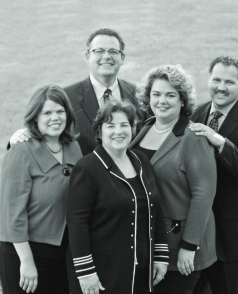
2011
Molina Family & Molina Family Healthcare, Inc.
Molina Healthcare began in 1980 as an small medical clinic in Long Beach, California.
Molina Family & Molina Family Healthcare, Inc.
Molina Healthcare began in 1980 as an small medical clinic in Long Beach, California.
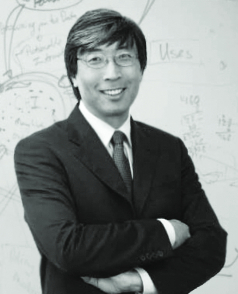
2010
Patrick Soon-Shiong, MD
Honored as a physician, surgeon, and scientist
Patrick Soon-Shiong, MD
Honored as a physician, surgeon, and scientist
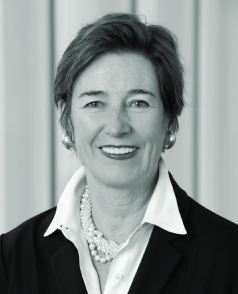
2006
Kathleen Brown
Treasurer of the State of California and Board member of the Los Angeles Unified School District
Kathleen Brown
Treasurer of the State of California and Board member of the Los Angeles Unified School District
Lifetime Achievement Award
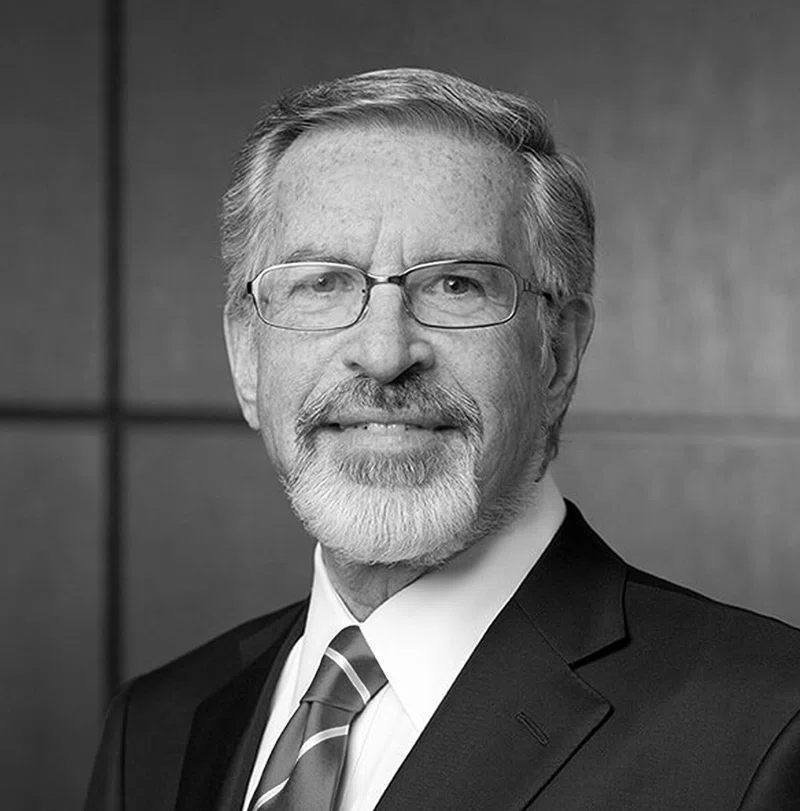
2026
Leonard D. Schaeffer
Founding Chairman & CEO
WellPoint (now Elevance Health)
Leonard D. Schaeffer
Founding Chairman & CEO
WellPoint (now Elevance Health)
Mr. Schaeffer is the founding Chairman & CEO of WellPoint (now Elevance Health), which now serves 47 million medical members and has annualized revenues of $170.2 billion. He is currently the Judge Robert Maclay Widney Chair and Professor at the University of Southern California.
Mr. Schaeffer was Chairman & CEO of WellPoint from 1992 through 2004 and continued to serve as Chairman through 2005. Under his leadership, WellPoint was selected by FORTUNE magazine as America’s “Most Admired Health Care Company” for six consecutive years; named by BusinessWeek as one of the 50 best performing public companies for three consecutive years; and identified by Forbes magazine as America’s best large health insurance company. Mr. Schaeffer was selected by BusinessWeek magazine as one of the “Top 25 Managers of the Year” and by Worth magazine as one of the “50 Best CEOs in America.”
In 2009, he established the Schaeffer Center for Health Policy and Economics at USC which emphasizes an interdisciplinary approach to research and analysis to support evidence-based health policy. In 2014, he established the Schaeffer Fellows in Government Service Program which has supported 467 undergraduates to date in high-level, summer government internships. In 2024, he established the USC Schaeffer Institute for Public Policy & Government Service.
In the federal government, Mr. Schaeffer served as Administrator of the Health Care Financing Administration (now CMS) and was responsible for the U.S. Medicare and Medicaid programs. He was also the Assistant Secretary for Management and Budget of the federal Department of Health and Human Services. Previously, Schaeffer was Director of the Bureau of the Budget for the State of Illinois and also served as Chairman of the Illinois Capital Development Board and as Deputy Director for Management, Illinois Department of Mental Health and Developmental Disabilities.
He is a member of the National Academy of Medicine. He is Chair of the USC Health System Board, Vice Chair of the Board of Trustees of the Brookings Institution, and a member of the Board of Fellows at Harvard Medical School. He has endowed chairs in health care financing and policy at the Brookings Institution, Harvard Medical School, the National Academy of Medicine, UC Berkeley and USC.
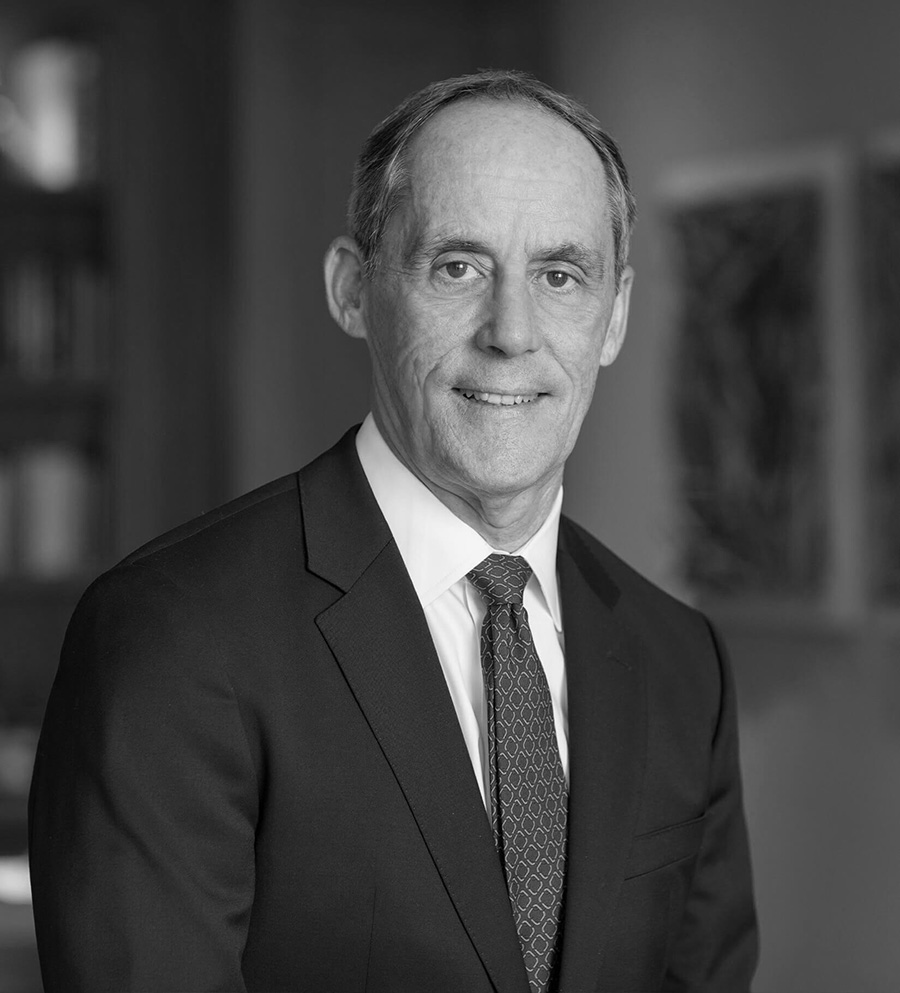
2025
Thomas M. Priselac
President and CEO Emeritus
Cedars-Sinai Medical Center and Cedars-Sinai Health System
Thomas M. Priselac
President and CEO Emeritus
Cedars-Sinai Medical Center and Cedars-Sinai Health System
Thomas M. Priselac is President and CEO Emeritus, Cedars- Sinai Medical Center and Cedars-Sinai Health System. An advocate for improving quality and access in health care throughout his career, Mr. Priselac developed strategic and operational innovations to foster high-quality, safe and efficient care for patients. Under his leadership, Cedars-Sinai earned an international reputation for quality care, community service, research and education while evolving from a community hospital to a major health system to better serve the people of the Los Angeles region and beyond. Mr. Priselac holds the Warschaw/Law Endowed Chair in Health Care Leadership at Cedars-Sinai.
He joined Cedars-Sinai in 1979 and, until his retirement in 2024, served as President and CEO of Cedars-Sinai Medical Center beginning in 1994, and also as President and CEO of Cedars-Sinai Health System from its formation in 2017. Prior to Cedars-Sinai, Mr. Priselac was on the executive staff of Montefiore Hospital in Pittsburgh.
Active in policy discussions regarding the delivery and financing of health care, Mr. Priselac is past Chair of the American Hospital Association Board of Trustees, serving as Chair during the development of the Affordable Care Act. He is also a past Chair of the Association of American Medical Colleges and formerly chaired the California Hospital Association and the Hospital Association of Southern California Board of Trustees. He currently serves on the USC Leonard D. Schaeffer Center for Health Policy and Economics Advisory Board and the RAND Social and Economic Policy Advisory Board. He is also an Adjunct Professor at the UCLA School of Public Health.
Mr. Priselac has received numerous awards for his leadership in health care, including the American Hospital Association’s Distinguished Service Award, B’nai B’rith International’s National Health Care Leadership Award, the Special Needs Network’s Distinguished Community Champion Corporate Leadership Award and the Charles R. Drew University Board of Trustees Medal of Honor.
Mr. Priselac earned a bachelor’s degree in biology from Washington and Jefferson College and a Master of Public Health degree in health services administration and planning, from the University of Pittsburgh.
2023
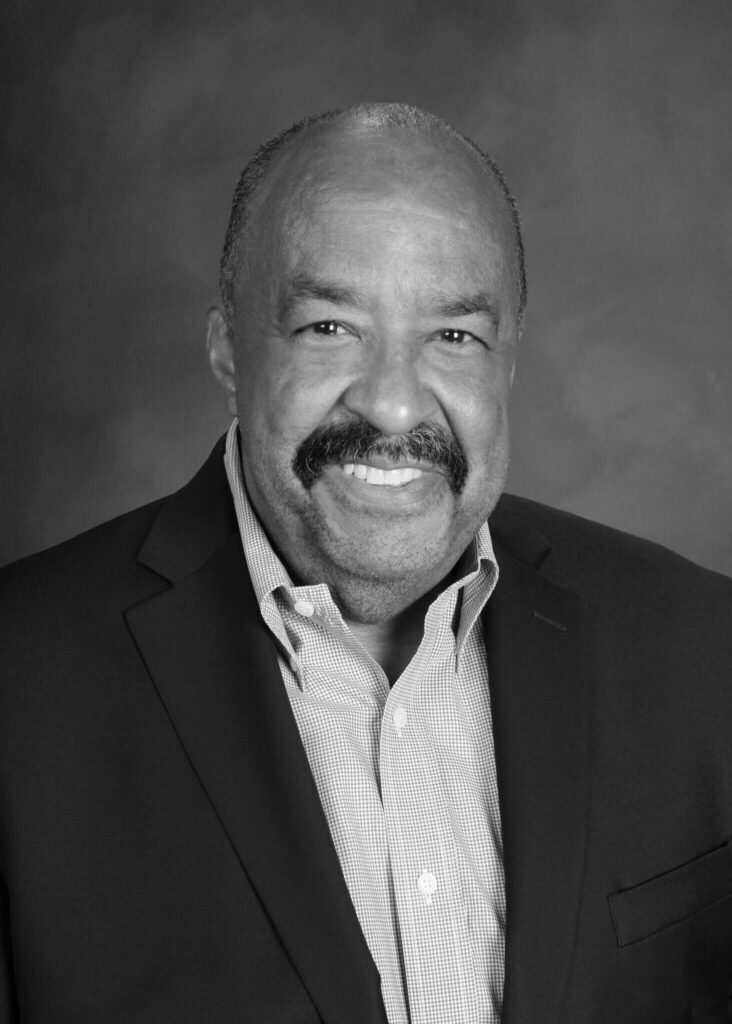
Robert K. Ross, MD
President and Chief Executive Officer
The California Endowment
Robert K. Ross, MD
President and Chief Executive Officer
The California Endowment
Robert K. Ross, MD, is President and Chief Executive Officer for The California Endowment, a private, statewide health foundation established in 1996 to address the health needs of Californians. Prior to his appointment in September 2000, Dr. Ross has prior experience as Director of Health and Human Services Agency in San Diego County and as Commissioner of Public Health in the City of Philadelphia.
During his tenure as President & CEO at The California Endowment, Dr. Ross has provided leadership in supporting the vision of different communities and grassroots leaders for a healthier California and a healthier America. The California Endowment has provided advocacy and funded efforts in support of “Health For All” across the state, expanding health coverage for undocumented residents, farmworkers, and “Dreamers”, strengthening the health workforce, advancing wellness-driven school climate reforms, improving health advocacy for young men and young women of color, and providing leadership for health-oriented criminal justice reform. Through the Endowment’s 10-Year Building Healthy Communities campaign, he has supported the engagement and leadership capacity of young people and community residents to fight for improved health and wellness at the community level. He also served as a founding board member of Covered California, the entity responsible for the successful implementation of the Affordable Care Act in California. More recently he served as Chair of the Los Angeles County Task Force on Alternatives to Incarceration, developing a strategic roadmap for the County to reform the criminal system in support of health-focused strategies to reduce incarceration.
Dr. Ross has an extensive background in health philanthropy, as a public health administrator, and as a clinician. His service includes: Commissioner, Philadelphia Department of Public Health; medical director for LINK School-Based Clinic Program, Camden, New Jersey; instructor of clinical medicine, Children’s Hospital of Philadelphia; and faculty member at San Diego State University’s School of Public Health.
Dr. Ross has been actively involved in community and professional activities at both the local and national level. He served as a member of the President’s Advisory Commission on Educational Excellence for African Americans; and has served as a member of the California Health Benefit Exchange Board, the Rockefeller Philanthropy Advisors Board, National Vaccine Advisory Committee, and on the boards of Grantmakers in Health, the San Diego United Way, and the Jackie Robinson YMCA. He is a Diplomate of the American Academy of Pediatrics, served on the President’s Summit for America’s Future and as chairman of the national Boost for Kids Initiative. He was honored by the Council on Foundations as the Distinguished Grantmaker of the Year for 2008 and received the American Public Health Association’s highest award in 2020. Dr. Ross received his undergraduate, Master’s in Public Administration and medical degrees from the University of Pennsylvania in Philadelphia. Most recently he has been invited to serve as Stanford University’s Distinguished Visiting Professor for the 2023 academic calendar.
Read Robert K. Ross Interview: Part 1 HERE
2021
In Memoriam
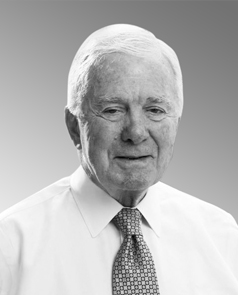
Paul Torrens, MD
Paul Torrens, MD, was honored for over 40 years at the UCLA Fielding School.
Paul Torrens, MD
Paul Torrens, MD, was honored for over 40 years at the UCLA Fielding School.
Partners in Care Foundation is pleased to award a Lifetime Achievement Award to Dr. Paul Torrens, Professor Emeritus of Health Policy and Management at UCLA and founder of the Paul Torrens Health Forum at UCLA.
Part 1 – Overview
A natural-born teacher and an outstanding role model
“Southern California is home to some of the greatest and most innovative healthcare institutions in the world,” said Jack Schlosser, Founder and Principal at Desert Vista Advisors in Los Angeles. “When you consider that he has been here since 1972 educating students, mentoring leaders and sitting on governing boards of both payers and providers, I can’t think of anybody who has had a greater impact on Southern California healthcare and the delivery system.”
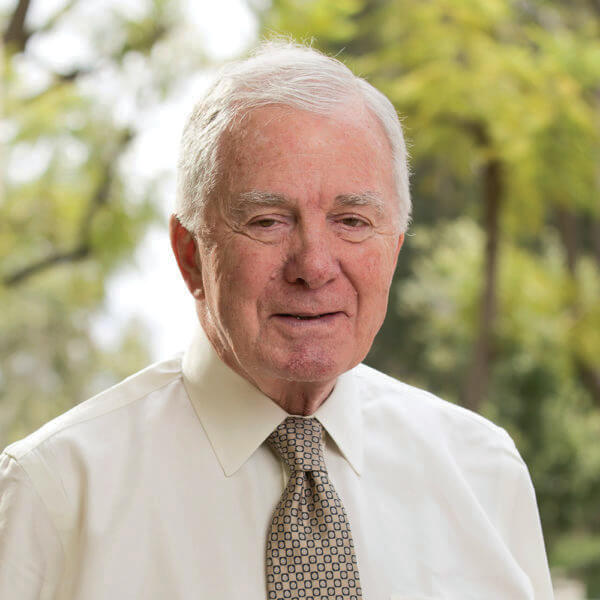
In recognition of his years of wide-ranging service, Partners in Care Foundation (Partners) will honor Dr. Torrens with a Lifetime Achievement Award. This is only the second time that Partners has presented this award.
“More than anything else, Dr. Torrens is treasured as a mentor and guide to hundreds of essential healthcare leaders,” said June Simmons, President and CEO of Partners. “His impact is immeasurable and continuing to grow.” Torrens is a former Partners Board Member.
Dr. Torrens, who lives in Newport Beach with his wife, Jacquelyn, and is the father of four, is Professor Emeritus of Health Policy and Management at UCLA and founder of the Paul Torrens Health Forum at UCLA.
“The prominence of the school of public health at UCLA today is largely due to Paul Torrens,” said Thomas Gordon, former Executive Vice President of Cedars-Sinai Health System.“The faculty members, the students and the administrators that he mentored and cared about are the reason that we are in the top 10 of schools of public health in the United States.”
A physician by initial training, Dr. Torrens focused his career on health care management and health care policy. In his 40-plus years at the UCLA Fielding School of Public Health, Dr. Torrens taught courses in health services organization and financing, health services organization and theory, managerial processes in health service organizations and managed care.
“He cares about his students and, in a very respectful way, challenges them to stretch,” said Schlosser.
Diana Hilberman is Adjunct Professor of Health Services and Director of the Master’s in Public Health Programs in Health Policy and Management at UCLA. Dr. Torrens was one of her first teachers when she was studying for her doctorate.
“He has always been an outstanding, natural-born teacher,” she said. “Healthcare can be very complex and he’s able to take all the complexities and synthesize it down to a crucial understanding, making things easy to understand without being either pedantic or patronizing.
“He’s always been like that. I became a colleague of his and we would teach classes together and he’s got the same method. He is able to put these concepts into different kinds of graphics, which shows all these complex ideas in relationship to each other, such that it allows the student to draw conclusions.
“I heard him speak at a dinner once where he talked about teaching. He said, ‘If you don’t wake up in the morning loving what you do, you should not be doing it.’
On student evaluation forms, the highest rating was a nine. For several years he co-taught a class with another professor, who complained that he put in hours of time working on presentations and would get mostly fives. “In strolls Paul, who speaks off the top of his head for two hours without any notes, and he gets nines,” said Hilberman. “He’s an amazing teacher.”
When Paul Viviano, President and CEO of Children’s Hospital Los Angeles, was a senior at UC Santa Barbara he was considering going to law school or pursuing a graduate degree in economics. Then just a few months before graduation, he was introduced to Dr. Torrens by a friend who was attending UCLA.
“Paul was the Director of the Master of Public Health program and he convinced me to sign up for one of his courses,” said Viviano. “There were 35 or 40 students in the class, and his love of public health, his love for caring for the community and for the policy implications of healthcare was infectious. Everyone in the class was on the edge of their seat for the hour. That convinced me then and there that a career in healthcare management was the best place for me.
“He was so impressive and such a master of the impact that public health has on the country. It was alluring to think of a career where you can put those kinds of skills to work, as he had. I took every course he offered. I tried to stop by his office hours as often as I could, and he helped me think about which classes to take and what I needed to do to round out my experience, to be prepared to be a healthcare executive and healthcare manager.
“He influenced more young students to go into healthcare management than anybody because he did it for so long and was such an outstanding role model.”
Dr. Torrens is perhaps best known among his colleagues in the healthcare world for patiently guiding, mentoring, and advising generations of students, helping to shape many distinguished careers in public health.
“There are so many people who can say that they owe their career to Paul Torrens and that he was their biggest influence and their biggest mentor,” said Viviano.
“There are people who are leading health systems around the world who studied under him at one point,” said Jack Schlosser, Founder and Principal at Desert Vista Advisors in Los Angeles.“I’m one of hundreds of people who look to him as a very special person in their professional lives and also in their personal lives.”
Tom Priselac, President and CEO, Cedars-Sinai Health System, hired Dr. Torrens in the late 1980s as a consultant on Cedars-Sinai’s performance and quality improvement efforts and the development of the related educational programs for the organization’s leaders. A few years later, Dr. Torrens invited Priselac to be a guest lecturer in a class at UCLA.
“There’s a class on leadership, which, as Paul liked to describe it, was the capstone course for the program,” said Priselac. “Part of the format of that program was inviting people from different organizations and leadership roles to talk about their own career paths and their own career development and their own perspective on the question of leadership.”
After Priselac had been a guest speaker for about 10 years, Dr. Torrens asked him to co-teach the course.
“It was among the most enjoyable aspects of my career,” said Priselac. “I had the chance to watch him in action. I’d like to believe that by osmosis and otherwise, my own leadership style and mentoring abilities have been enhanced as a result.
“I think he was way ahead of the game with regard to the role of emotional intelligence in leaders and I think his incorporation of those concepts early on was extremely helpful to several generations of students.
“I was a beneficiary myself of Paul’s mentoring. I had no experience in a classroom or things of that nature. Paul was enormously helpful in instructing me about techniques and then slowly but surely turning over the reins. It was an incredibly professional and gracious way of allowing me to grow and evolve in that kind of a role.”
As the co-editor of “Introduction to Health Services,” a widely used textbook, Dr. Torrens has shared his expertise with students far beyond the UCLA campus. The book covers major topics such as the practice of clinical medicine, government policy, information technology, and health care cost containment, along with in-depth information on health care finance, health care access, managed care, and insurance. Research and statistics throughout make the book the premier reference for understanding all the services that compose the health care landscape.
Among Dr. Torrens’s highest priorities is finding ways to connect the academic and practice worlds. One of the ways he did so was through monthly forums at the Fielding School of Public Health that provide a venue to debate and discuss critical issues in public health.
Named in his honor in 2017, the Paul Torrens Health Forum at UCLA brings together local and nationally known public health leaders, community groups, faculty, and students. It is a respected source of discovery and conversation about the prevailing public health issues of the day.
Recent topics have included transportation and homelessness through a public health lens. Featuring a panel of experts (many of them former students of Torrens) and a robust question-and-answer session, the Paul Torrens Health Forum draws a knowledgeable and engaged audience who cares deeply about the future of public health.
“It’s a chance for experts to talk about what’s going on in the industry and exchange ideas,” said Schlosser. “It’s a natural outgrowth of what Paul has done from the get-go, which is to help his students build a bridge from academia to the practice worlds. In a world where many people are not open to other points of view, he seeks it out. And as a result, his students are challenged to look at all sides of an issue. I just can’t tell you how important that has been to the reputation for the UCLA Fielding School of Public Health.”
Bringing in experts with real-world experience in different aspects of healthcare management gives students an important perspective, said Jonathan Fielding, Distinguished Professor of Health Policy and Management and of Pediatrics in the Schools of Public Health and Medicine at UCLA. “It’s really different than having a professor talk about ‘The Theory of Change’ or whatever,” he said. “The people who are out there in the field facing day-to-day problems and strategic problems give a perspective that is essential for students.”
The Paul Torrens Health Forum is “the go-to place, if you want to know what’s going on in healthcare,” said Hilberman.
Dr. Torrens has shared his health policy expertise with a wide variety of governmental and non-governmental organizations in all parts of the United States and in 18 foreign countries. He has served on the governing boards of numerous health care organizations, including Blue Shield of California, SCAN and PacifiCare Behavioral Health of California. He is also a member of the Financial Solvency Standards Board, Department of Managed Care, State of California, and the Attorneys General Task Force on Charity Care.
Viviano recalled asking Dr. Torrens to serve on the board for Saint Joseph Health System. “To have him in the boardroom contributing to policy decisions, allocation of resources, strategic initiatives and the like was invaluable. When I became the vice chancellor for health sciences at UC San Diego, I asked Paul to be on the board for our health sciences division, which includes the medical school, the pharmacy school, and a big health system. His insights into how healthcare affects the community and what public health policy means were important to our success.”
Dr. Torrens’s leadership style is based on respect, integrity, and commitment to excellence, according to Priselac.
“I think Paul long ago recognized that leadership is about relationships and the importance of creating a strong personal foundation on which to build a professional relationship,” said Priselac. “Everyone who comes in contact with Paul immediately senses his appreciation for them, not just as a professional, but as a person.
“The biggest impact he’s had on me is the example of the humanity that he exhibited in every interaction I’ve had with him and every interaction I’ve seen him have with anyone else. We need more people like Paul Torrens.
He would take all the time in the world with his students, said Hilberman. “You go in for an appointment with him and it’s like, there was nothing ever, ever before you, and he’s completely focused on you. He’s extremely polite and a very soft-spoken guy, but he knows exactly what’s going on.”
Dr. Torrens has a very subtle dry sense of humor and doesn’t take himself too seriously, according to Schlosser, but when he believes strongly in something, he will take a stand.
“He will let his opinion be known and isn’t afraid to state his opinion,” said Schlosser. “He is always respectful, but I’ve seen that he has a lot of mettle beneath that soft-spoken exterior.”
Schlosser admires Dr. Torrens’s endless curiosity about the healthcare industry. “He was very innovative in terms of sensing trends and then welcoming in the individuals who were perhaps leading at the bleeding edge of a movement in healthcare, whether it’s diversification, multi-hospital systems, the growth of physician executives, managed care and just so many areas that he was on top of. He is a searcher in terms of where things are going.”
Schlosser said he’s studied leadership and one of the common threads is that great leaders have the ability to focus on the individual person they’re dealing with while not losing sight of the big picture. “When you’re in his presence, he’s at a hundred percent and people feel that and appreciate it. To paraphrase Maya Angelo, ‘People may not remember exactly what you said, and may not remember even what you did, but they will always remember how you made them feel.’ That makes me think of him.
“He’s thoughtful, humble, respectful, caring, passionate, innovative, giving, courageous, strategic. He has a lot of characteristics that add up to a very impressive list and he’s very consistent. The person I met in 1972 shows up virtually the same through all through the years.”
In 2019, an endowed chair at the UCLA Fielding School of Public Health was named in his honor. The Paul Torrens Chair in Healthcare Management will support the teaching and research activities of a faculty member with healthcare management expertise.
Funded by a gift of over $1 million from the Don S. Levin Trust and Edna and Tom Gordon, the chair is based within the Fielding School’s Center for Healthcare Management and the school’s Department of Health Policy and Management.
“Paul Torrens has influenced the careers of generations of healthcare management professionals,” said Ron Brookmeyer, interim dean of the UCLA Fielding School of Public Health. “This transformative gift ensures that his impact will continue well into the future.”
Among those inspired by Torrens was Tom Gordon, who served as executive vice president of Cedars-Sinai Health System for 22 years, during which time he oversaw the organization’s medical network of primary care and specialist physicians. Gordon’s involvement with the Fielding School began in 1995, when Torrens invited him to deliver a lecture to his students.
“Paul Torrens has made a tremendous impact on healthcare management and policy in California, the state recognized as a national leader in transforming the U.S. healthcare system,” said Gordon. “As a teacher and mentor, he has set an example for so many of us. It is my honor to play a role in furthering his legacy through the Paul Torrens Chair.”
Presentation of Dr. Torrens’s Lifetime Achievement Award will take place at Partners’ Annual Tribute Dinner on Monday, June 21, 2021. To learn more about this event, register to attend the event, or sign up as a sponsor, please visit: Partners’ 2021 Annual Tribute Dinner.
Partners in Care Foundation is a nonprofit organization based in San Fernando. Its mission is to shape the evolving health system by developing and spreading high-value models of community-based care and self-management for high need populations with chronic conditions.
Part 2 – The Mentor
A trusted and passionate mentor who has guided generations of students.
Respected as a teacher, textbook author and healthy policy expert, Dr. Paul Torrens perhaps wins highest praise for his role as a mentor.
Dr. Torrens has been “incredibly helpful” to many students and former students, said Jonathan Fielding, Distinguished Professor of Health Policy and Management and of Pediatrics in the Schools of Public Health and Medicine at UCLA. “Whenever I sent a student of mine to Paul, they were always overjoyed with the kind of attention he would give to their problems and to advising them about potential different careers and that aspect of public health. He is tireless in helping students with their career goals.”
“Paul Torrens has what I would describe as a limitless commitment to the field of healthcare and the field of healthcare leadership development, and by extension a limitless commitment to the students,” said Tom Priselac, President and CEO, Cedars-Sinai Health System.
“He also has an ability to identify and develop and mentor talent in ways that I think very few people do. He has probably played a role in the education and career development of more individuals in the Southern California healthcare deliveries scene than any other individual in the last 30 years.”
Dr. Torrens, Professor Emeritus of Health Policy and Management at UCLA and founder of the Paul Torrens Health Forum at UCLA, has been connecting with students since he came to UCLA in 1972.
Jack Schlosser, Founder and Principal at Desert Vista Advisors in Los Angeles, also arrived at UCLA that year.
“He was the head of the division of healthcare services, I was an entering master’s student, and I was fortunate enough to have him as my advisor. We have stayed connected ever since. Because of how he approaches life and his profession, he is like a magnet to people who want to stay connected with him.”
Dr. Torrens played a key role in Schlosser’s career. “When I made a career move from hospital management to a consulting role, I said to him, ‘I’ve heard that the consulting world can be quite competitive but I’m looking forward to giving it a shot.’ And I just remember him saying, ‘If you’re good at what you do, the market will find you.’
“That’s how he approaches so many things – set a high bar, strive to achieve and the rest will take care of itself.”
Dr. Torrens also played a role in the career path of Schlosser’s daughter.
“She was in high school and became interested in science and medicine ultimately. Over the years I’ve spoken to many physicians who look back and wonder if they made the right decision, so I encouraged her to talk to Paul for some advice. She ultimately went to medical school, became a neurologist and is a partner in San Diego with Kaiser. He played a very important role, giving her objective insights into what it would be like to be a physician and was always there whenever she wanted to reach out.”
Richard Sinaiko was in his 20s and trying to figure out a career path when someone suggested he meet with Dr. Torrens. He said he felt “an instant connection.” After sitting in one of Dr. Torrens’s classes, Sinaiko enrolled in UCLA’s MPH program.
Sinaiko went on to hold senior executive positions at the UCLA Medical Center and American Medical International and served as Assistant Dean of the USC School of Medicine before forming Sinaiko Healthcare Consulting, a leading healthcare management consulting firm.
“All of this time, Paul Torrens was my constant go-to person for career advice, health care, business advice, personal advice,” said Sinaiko, whose family helped fund the Center for Healthcare Management at the UCLA Fielding School of Public Health. The center draws from the expertise of industry leaders to shape research questions designed to influence healthcare management practices and is the home of the Paul Torrens Health Forum.
“What success I’ve had, I owe it all to him. He was not only an advisor, but he became a very close friend. I referred a huge number of people into his program and they all ended up having the same kind of relationship with him.”
“He always had time for people, every student. He’s very engaging, always attentive, never wants to dominate a conversation. He’s always interested in what the other person has to say.”
Among the lessons Sinaiko learned from Dr. Torrens was the value of patience and the importance of staying current with healthcare trends. “He also stressed the need for healthcare managers to understand physicians. Successful people in business oftentimes are extremely aggressive, and you can’t behave that way when you’re dealing with doctors.”
For those lucky enough to have Dr. Torrens as a mentor, the connection is long-lasting. “He never leaves his sheltering position,” said Fielding. “Once you’ve been coached by him, it’s kind of like he’s the go-to person, and he cares about you and he wants to help. He’s always anxious to be of service. He stubbornly looks out for the interests of his students and advisees. I can’t think of anybody who’d be a better advisor if I was interested in healthcare management.”
Diana Hilberman, Adjunct Professor of Health Services and Director of the Master’s in Public Health Programs in Health Policy and Management at UCLA, was a student of Dr. Torrens when she entered the doctorate in public health program in 1989. Before she finished her doctorate, she was the Director of Internships.
“He would tell me who was who in the field,” she said. “He knew his students and he knew the people in the field, and he knew what they were looking for. He would say, ‘Find out if so and so wants to work at such and such,’ or, ‘Call them and see if they have something available, because this student would be good for that particular task at that organization.’ He did wonderful brokering.”
Hilberman said one of Dr. Torrens’s greatest gifts is his ability to help students fine-tune their career goals. “It’s a big field, with lots of different places you can go. You can go into operations. You can go into analysis. You can go into pharmacy or hospitals or health plans or policy. He’s really good at helping students clarify what their interests are, and then he starts them off by connecting them with the right person in that field.”
Thomas Gordon, former Executive Vice President of Cedars-Sinai Health System, offered internships to Dr. Torrens’s master’s students between their first and second year. “I had an intern for 25 years and I ended up hiring every one of them when they graduated,” he said.
“I happen to love mentoring, and I learned a lot about it from Paul. Paul takes a deep interest in all of his students. He’s thoughtful in his nature, not professorial, but fatherly.”
“He landed people in jobs, because when Paul Torrens calls you and says this is a good fit for your organization, he wasn’t just calling everyone he knew to find someone a job. He actually cared enough to figure out where the good matches would happen.”
Gordon also sent students in Torrens’s direction. “I would call him and say, ‘I have a young employee here who I think would be a good fit for your program. Would you mind taking the time to meet them?’ They would go to meet him. They would immediately leave with the same reaction everybody else had, what a great place to do my master’s work and what a great opportunity to meet a man like Paul Torrens.”
For eight years, Gordon was MC for a gala event organized by the Fielding School of Public Health where health care dignitaries were honored. The event drew about 350 people. “One of the things I did as the MC was to ask those in the room who had been affected, had their career affected, or been mentored by Paul Torrens to stand up. Almost the entire room would stand up.
“I can’t think of one person in the city of Los Angeles, or maybe the state of California, who would tell you that Paul did anything but care about them and offer them help, even people that he may not have been that close to. He offered himself up as a resource and is responsible for so many people being in the positions that they hold today. It’s incredible.”
Tom Priselac, President and CEO, Cedars-Sinai Health System, saw Dr. Torrens in action as a mentor when the two were co-teaching a course. “The students were looking for, among other things, career advice. Among the things I witnessed when Paul did that was him exhibiting the important leadership characteristic of role modeling when it comes to listening. His approach to mentoring was really built around asking questions of the students in order to help the students find the answer for themselves, as opposed to him imparting his own sense of what the answer is. I think that’s a unique and special skill.”
One of Dr. Torrens’s great assets is that “he knows everybody,” said Paul Viviano, President and CEO of Children’s Hospital Los Angeles. “He knew people at the Public Health Department, he knew people in hospitals, he knew people at the health plans, and he knew people in Washington, DC in the Medicare administration. If he thought someone could help you, he connected you.”
Viviano has known Dr. Torrens as a teacher, program director, advisor, colleague, and ultimately, friend.
“You never lose the admiration that you have for someone who’s so impressive. He’s been devoted to not just helping me and my career, but hundreds of executives over his career. You’ll hear my story from countless numbers of young executives he has helped in the same way.
“It’s always wonderful to have somebody who you can count on no matter what to give you advice, and that you can count on it to be real advice, not gratuitous advice, not comments like ‘Oh, you’re doing great, yada, yada.’ Not him. No, he would say, ‘You’ve got to do this. You’ve got to think about that. You need to challenge yourself.’ It’s reliable advice, sage advice, challenging advice. If you deserved a pat on the back, you’d get it. More likely, you’d get, ‘You can do more. You have to think about stretching yourself in this way. Your organization can do better. You can do more.’
“You always want to do more for people who challenge you like that and that you rely on and that you trust. He’s been all the things that you dream about in terms of a mentor in your career, someone who cares, somebody who provides great advice, real time feedback, knows people to connect you with, will take the time, selfless, sacrificing time to help.”
Viviano hired many graduates from Dr. Torrens’s program, and he was always expected to provide some follow-up.
“Several times a year, he would call and say, ‘How’s your fellow doing? Are you giving that fellow exposure and opportunities, stretching them and challenging them and rewarding them?’ These were recent graduates, within a year of them walking out of UCLA. He supported them and was an advocate for them. That’s how much he cared about his students. And that sounds easy, but if you have 30 or 40 students graduating every year to keep track of, and he’s tracking them all. It’s just amazing.
“He influenced hundreds, probably thousands of people, directly and indirectly at UCLA. How lucky am I, how blessed am I that he did it for me? He did it for so many people. How blessed are all of us to have his presence in our life?”
In recognition of his years of wide-ranging service, Partners will honor Dr. Torrens with a Lifetime Achievement Award. This is only the second time that Partners has presented a Lifetime Achievement Award. Recognition will take place at Partners’ Annual Tribute Dinner on Monday, June 21, 2021.
To learn more about Partners’ Annual Tribute Dinner, register to attend the event, or sign up as a sponsor, please visit: Partners’ 2021 Annual Tribute Dinner.
2018
In Memoriam
C. Duane Dauner
President and CEO
California Hospital Association
C. Duane Dauner
President and CEO
California Hospital Association
Stay Connected
Sign up to receive program announcements and event news.